Scientific Programme Committee
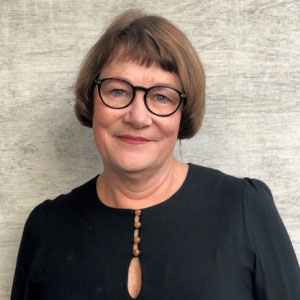
Sally Roberts
New Zealand
Sally Roberts
New Zealand
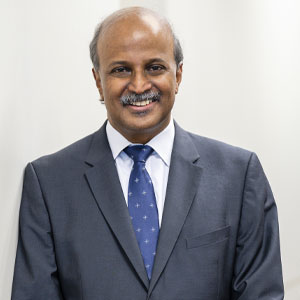
Paul Ananth Tambyah
Singapore
Paul Ananth Tambyah
Singapore

Neelika Malavige
Sri Lanka
Neelika Malavige
Sri Lanka

Afreenish Amir
Pakistan
Afreenish Amir
Pakistan
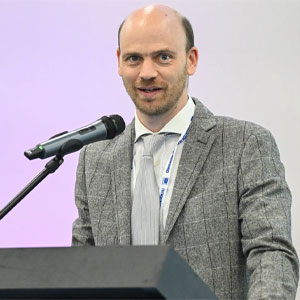
Botond Lakatos
Hungary
Botond Lakatos
Hungary

David A. Lewis
Australia
David A. Lewis
Australia

Linda MacKinnon
USA
Linda MacKinnon
USA
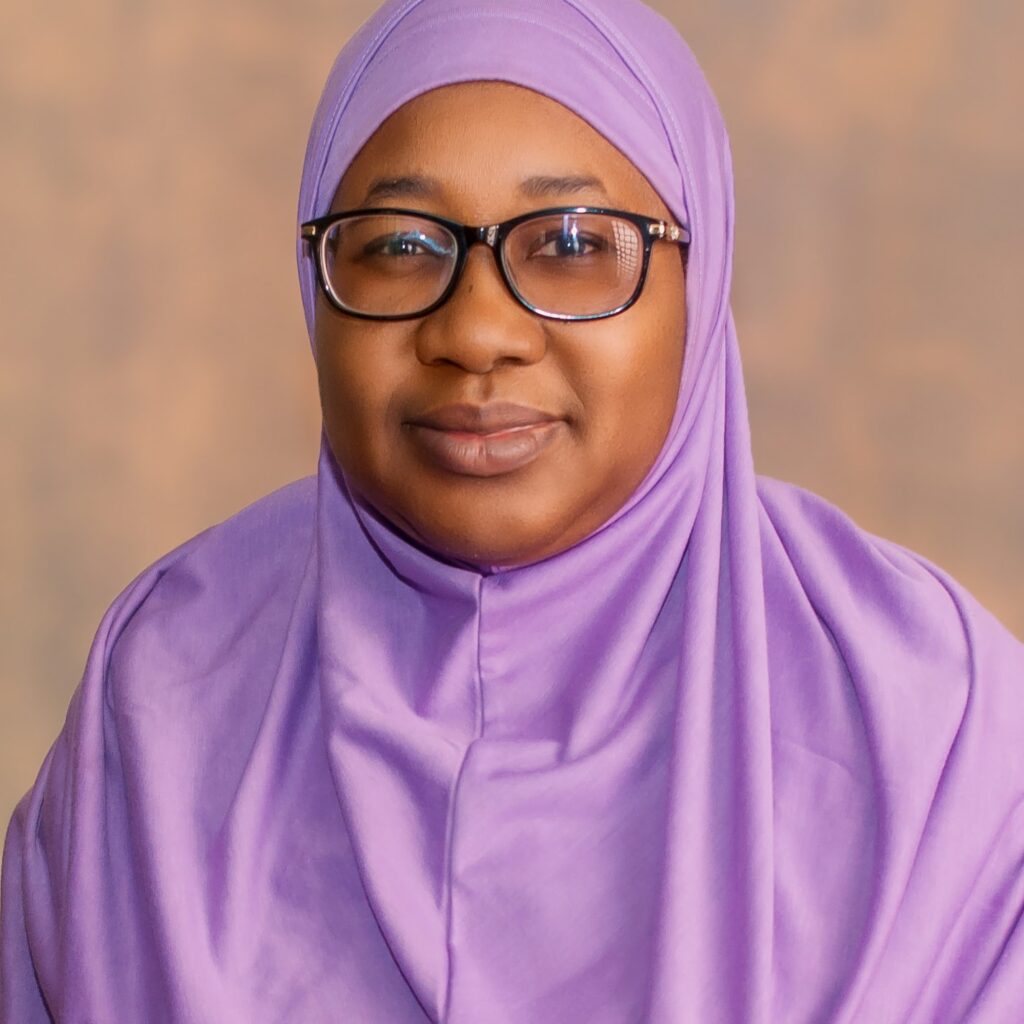
Aisha Abubakar
Nigeria
Aisha Abubakar
Nigeria

Elkin Bermudez
Colombia
Elkin Bermudez
Colombia
International Advisory Committee (IAC)
We would like to express our sincere appreciation to the International Advisory Committee of 21st International Congress on Infectious Diseases (ICID) for their help, valuable support and guidance.
Bashir Salim
Saudi Arabia
Bashir Salim
Saudi Arabia
Prof. Bashir Salim, DVM, PhD
Professor Bashir O.M. Salim is a Professor of Molecular Parasitology and Livestock Population Genetics at the Camel Research Center, King Faisal University, Saudi Arabia. He is an internationally recognized veterinary scientist with more than two decades of academic, research, and leadership experience spanning Africa, the Middle East, Europe, and Asia.
He holds a PhD in Molecular Parasitology and Population Genetics from Hokkaido University, Japan, along with postgraduate training in zoonosis control. His research focuses on infectious and vector-borne diseases, pathogen and host genomics, molecular epidemiology, antimicrobial and antiparasitic resistance, and One Health–oriented surveillance, with particular emphasis on low- and middle-income settings.
Professor Salim has led and contributed to major international collaborations with institutions including Hokkaido University, the International Livestock Research Institute (ILRI), the University of Nottingham, and the Agricultural Research Council–Onderstepoort Veterinary Institute. His work integrates genomics, diagnostics, and population genetics to inform disease control strategies and evidence-based policy.
He serves on editorial boards, acts as a reviewer for international journals and funding agencies, and has held senior academic leadership positions, including Deputy Vice Chancellor and Dean of Scientific Research at the University of Khartoum.

Carmen Logie
Canada
Carmen Logie
Canada
Dr. Carmen Logie, is the Canada Research Chair in Global Health Equity and Social Justice with Marginalized Populations, Professor at the Factor-Inwentash Faculty of Social Work, University of Toronto, Adjunct Professor at the United Nations University Institute for Water, Environment, & Health, and Adjunct Scientist at Women’s College Hospital. Her research program advances understanding of, and develops interventions to address, hazardous social and physical environments associated with HIV vulnerabilities, including intersecting stigma, extreme weather events, and resource insecurities. Her current research focuses on HIV prevention, testing and care in Uganda, Kenya, Tanzania, and Canada with people living with HIV, refugee and displaced youth, lesbian, gay, bisexual, transgender and queer communities, sex workers, and Indigenous youth. She is a CIHR Institute of Gender & Health Advisory Board Member and a Canadian Association for HIV Research Social Science Board Member. She is a member of the Royal Society of Canada’s College of New Scholars, Artists, & Scientists. Her >350 peer-reviewed publications, cited >19,500 times, advance knowledge of mechanisms through which intersecting stigma harms health. She is Deputy Editor at the Journal of the International AIDS Society and Associate Editor at Stigma and Health, and an Editorial Board Member for Social Science and Medicine Mental Health.


Elita Jauneikaite
UK
Elita Jauneikaite
UK
Dr Elita Jauneikaite is an Assistant Professor in Microbiome and Bacterial Genomics at the Department of Metabolism, Digestion and Reproduction at Imperial College London, UK. Elita’s research focuses on evolution, transmission and antimicrobial resistance of vaccine preventable bacterial infections with focus on maternal and neonatal health, and healthcare associated bacterial infections. As her major research programme, Elita is investigating the healthcare-associated infections (HCAIs) and AMR in clinically important pathogens using large-scale genomic epidemiology in both high- and low-income country settings, bioinformatic analyses and molecular biology techniques to inform on evolution, mother-to-baby transmission, and emergence of antimicrobial resistance patterns of this pathogen. Elita leads genomics work investigating healthcare associated infections, as well as outbreaks and pathogenicity of a range of bacterial pathogens including E. coli, K. pneumoniae, carbapenemase-producing Enterobacterales, staphylococcal and streptococcal species.

Esmita Charani
South Africa
Esmita Charani
South Africa
Esmita is an Associate Professor at the University of Cape Town where she is undertaking a Wellcome Trust Career Development Fellowship on intersectional research in antimicrobial resistance (AMR), the PROTEA study across South Africa and India. She is the Co-Principal Investigator of CAMO-Net South Africa Hub. She is a Contributing Investigator to CIDRI-Africa at the University of Cape Town. In the UK, she is an Honorary Reader in Infectious Diseases, AMR and Global Health at the University of Liverpool. Her work in AMR has been recognised through the Academy of Medical Sciences UK-India AMR Visiting Professor Award. She is involved in mentoring and supporting clinical pharmacists and researchers across different healthcare settings and economies in implementing antimicrobial stewardship interventions. Her work on equity in global health, includes representation of people through imagery.

Fatima Aziz
USA
Fatima Aziz
USA
Fatima Aziz is a prominent genomic epidemiologist and the Manager of Research at Aga Khan University, Pakistan. Specializing in infectious disease dynamics, she leads vital research on pathogen transmission within low- and middle-income countries. Her work is at the forefront of integrating molecular tools with real-time genomic data to revolutionize outbreak investigation and public health response including one health approach.
Her global influence is underscored by her role as a WHO RSV SAGE Advisory Committee member, where she helps shape international vaccine strategies. A distinguished Johns Hopkins Emerging Leaders in Biosecurity (ELBI) Fellow and United Nations Science Diplomacy Fellow, Fatima is a leading voice in laboratory safety and ethical research practices.
By bridging the gap between high-level science diplomacy and field-level genomic surveillance, she ensures that disease monitoring systems are not only technologically advanced but also secure and ethically sound. Her leadership continues to strengthen global health security and workforce protection across the region.
Folorunso O. Fasina
Nigeria
Folorunso O. Fasina
Nigeria
Prof. Fasina is a distinguished veterinary epidemiologist and One Health expert with over 25 years of experience in veterinary medicine, infectious disease research, and leadership in global animal health programs. With dual PhDs, he has extensive expertise in transboundary animal diseases, zoonotic infections, antimicrobial resistance and implementation of One Health approaches. He served as the Country Team Leader for the Emergency Center for Transboundary Animal Diseases of the Food and Agriculture Organization of the United Nations (FAO) in three countries, while maintaining an Extraordinary Professorship at the University of Pretoria. He served as the One Health Intelligence Expert at FAO, Rome, Italy. He has proven track record in designing and implementing large-scale disease control programs, managing multi-million-dollar international projects, and providing high-level technical guidance to government agencies across Africa. He has over 250 peer-reviewed publications and significant contributions to global health security initiatives. His professional and administrative experiences in the field of Veterinary Medicine and research, as well as his extensive expertise makes him a highly valuable asset for any organisation and project focused on animal and public health, leadership, and management. He is listed in the Stanford University and Elsevier’s World’s Top 2% Scientists. He is also a member of the Global Burden of Diseases, Injuries and Risk Factors (GBD) and Global Burden of Animal Diseases (GBAD) among others.

Geoffrey T. Fosgate
USA
Geoffrey T. Fosgate
USA
Geoffrey Fosgate is a Professor in the Department of Veterinary Clinical Sciences at Long Island University. He completed his undergraduate and veterinary training at Cornell University after which he spent two years in rural mixed-animal practice in upstate New York. He subsequently completed his PhD in epidemiology at the University of California, Davis. His PhD research focused on the diagnosis and control of brucellosis in domestic water buffalo of Trinidad and Tobago. After completing his PhD, he obtained board certification from the American College of Veterinary Preventive Medicine. He spent his early academic career at Texas A&M University where his research was focused on Johne’s disease and other infectious diseases of cattle. A desire to expand his expertise related to international veterinary medicine then took him to the University of Pretoria, South Africa. His research in South Africa had a strong focus on transboundary animal diseases, especially foot-and-mouth disease. He has a passion for international development and was a US Peace Corps volunteer in Nepal prior to starting his veterinary degree. Dr Fosgate’s current research focus is the epidemiology of infectious diseases with specific emphasis on the validation of diagnostic tests, surveillance, and the control of infectious diseases of livestock.
Gonzalo Bearman
USA
Gonzalo Bearman
USA
Dr. Bearman’s primary clinical focus includes General Infectious Diseases and HIV care. Beginning in 2005, Dr. Bearman has led the VCU Global Health Program through the Honduras Medical Relief Brigade, a medical relief effort bringing medical and public health assistance to rural Honduran communities.
His areas of administration and research focus on the epidemiology of hospital-acquired infections. Dr. Bearman has various industry grants and has published over 200 peer-reviewed publications, multiple editorships of books, and is the primary editor of 3 medical textbooks. In 2013, Dr Bearman founded and is the Editor in Chief of the Medical Literary Messenger, a literary magazine with a focus on medicine and humanism. Most recently, Dr. Bearman has led critical efforts to address the COVID-19 Pandemic on research, clinical, and operational fronts. He has assumed various roles for VCU Health including VCU Medical Center Incident Command Center Infectious Diseases/ Hospital Infection Prevention Program COVID 19 Director, and others. Since 2021, Dr. Bearman is Editor in Chief of Antimicrobial Stewardship and Healthcare Epidemiology of the Society for Healthcare Epidemiology of America, published by Cambridge University press.
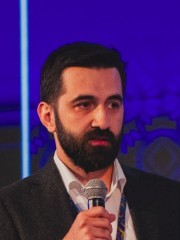
Gultekin Unal
Türkiye
Gultekin Unal
Türkiye
I am a bioinformatics expert with a background in microbiology and veterinary medicine. I work on molecular detection of bacteria, viruses, and fungi, and helped develop the first qPCR kit for COVID-19. My focus is molecular epidemiology, genomic surveillance, and building bioinformatics pipelines for pathogens including Mpox, CCHF, influenza, enteric bacteria, and AMR.
I serve as a National Professional Officer for Laboratories at WHO Türkiye, working with the Ministry of Health to strengthen genomic surveillance and NGS capacity, and to train public health laboratories nationally and internationally.
In parallel, I hold an honorary post-doc position at Ankara University Faculty of Veterinary Medicine, Department of Microbiology, where I contribute to animal health–focused research and projects, particularly at the interface of veterinary microbiology and molecular epidemiology.
As co-chair of the PHA4GE Bioinformatics Pipelines and Visualization group, I drive international collaboration and create open-source solutions to improve global public health bioinformatics.

Helena Maltezou
Greece
Helena Maltezou
Greece
Dr. Maltezou is the Director for Research at the National Public Health Organization, Athens, Greece. Dr Maltezou received her medical education and diploma at the University of Crete, Greece, was trained in Pediatrics at the University of Athens Second Department of Pediatrics “P. and A. Kyriakou Children Hospital” in Athens, Greece, and in infectious diseases at Aix-Marseille University, Marseille, France. Her academic interests focus on policy-relevant research on vaccine-preventable diseases, healthcare-associated infections, and emerging diseases. Dr. Maltezou has a history of collaborations with academic institutions in the United States, France, Italy, China and Greece. Dr Maltezou has more than 280 published articles, is the Edtor of the book titled “Tropical and Emerging Infectious Diseases” (Research Signpost, 2010). Dr Maltezou also collaborates with the World Health Organization as an Independent Expert for vaccinations of healthcare personnel. She received the 2001 European Society for Paediatric Infectious Diseases Award. In 2016 Dr. Maltezou was honored with the title of Guest Professor by Xi’an Daxing Hospital, Shaanxi Traditional Chinese Medicine University in Xi’an, China. In 2019 Dr. Maltezou was granted the title of Visiting Professor by the University of Catania and in 2023 the title of Visiting Professor by the University of Bari (Italy). Starting in 2021, Dr Maltezou is Associated Editor of Vaccine journal. Dr Maltezou is a Member of the Executive Committee of International Society for Infectious Diseases.

Jaffar Al-Tawfiq
Saudi Arabia
Jaffar Al-Tawfiq
Saudi Arabia
Prof. Jaffar A. Al-Tawfiq is a distinguished infectious diseases physician and serves as Director of Prevention and Control of Infection and Accreditation at Johns Hopkins Aramco Healthcare (JHAH) in Dhahran, Saudi Arabia. He completed his internal medicine residency and infectious diseases fellowship at Indiana University School of Medicine and holds a Diploma in Tropical Medicine and Hygiene from the London School of Hygiene and Tropical Medicine. He is also a certified Improvement Advisor from the Institute for Healthcare Improvement (IHI) and a member of the International Society for Infectious Diseases (ISID) Executive Committee.
Prof. Al-Tawfiq has made substantial contributions to healthcare epidemiology, infection prevention, and antimicrobial stewardship, with unique expertise in mass gathering medicine. He has been actively involved with the Global Center for Mass Gathering Medicine, a WHO Collaborating Centre in Saudi Arabia, contributing to numerous publications and advances in this emerging field.
He has played a pivotal role in the management of Middle East respiratory syndrome coronavirus (MERS-CoV) since its emergence in 2012 and was part of the Saudi delegation responding to the 2015 MERS outbreak in South Korea. During the COVID-19 pandemic, Prof. Al-Tawfiq was instrumental in Saudi Arabia’s response, contributing to policy development, epidemiologic investigations, and national guideline formulation in collaboration with the Saudi CDC and Ministry of Health.
Prof. Al-Tawfiq is a member of SHEA, the Infectious Diseases Society of America, and the American College of Physicians, and holds honorary fellowships from the Royal College of Physicians of Edinburgh and Ireland. His leadership has been recognized with multiple awards, including the SHEA International Award (2019) and the Excellence in Patient Care Award from the Royal College of Physicians of London (2018).
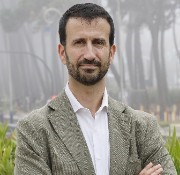
Javier Membrillo de Novales
Spain
Javier Membrillo de Novales
Spain
Francisco Javier Membrillo de Novales (Seville, 1980) is a Lieutenant Colonel (Medical Corps). He holds a degree in Medicine from the University of Seville, graduated first in his class (16th Class of the Spanish Military Medical Corps), and is a Specialist in Internal Medicine (Central Defense Hospital “Gómez Ulla”), Specialist in CBRN Defense (Military School of CBRN Defense), University Expert in Healthcare Management (Menéndez Pelayo International University), and Flight Surgeon (Aerospace Medicine Training Center).
Since 2016 he is Deputy Head and since 2023 Head of the CBRN and Infectious Diseases Department, Hospital Central de la Defensa Gomez Ulla, Madrid, Spain.
He has authored or co-authored 117 scientific papers and conference communications at national and international congresses. His work has appeared in leading journals such as The Lancet, Lancet Infectious Diseases, Clinical Microbiology and Infection, and Thorax, and he has presented at major conferences including IDWeek and ECCMID. He is Associate Professor at the Military Medical School.
Since 2019. He has served as an External Collaborating Instructor for the Organisation for the Prohibition of Chemical Weapons (OPCW), contributing to various international courses and exercises and forming part of the Spanish delegation to the Conferences of States Parties to the Chemical Weapons Convention. Currently collaborates with HERA as an external contractor.
Through his collaboration with the Spanish Society of Infectious Diseases and Clinical Microbiology (SEIMC), he participated in establishing the High-Level Isolation Units Working Group (UAANs), served on the Imported Pathology Study Group’s Board as Secretary (2019–2021) and President (2021–2023). Since 2022 to 2025 he created and coordinated SEIMC’s Mox Working Group. From 2023 to 2025, he served as Vice President and Communications Officer of SEIMC. Since 2024, is the founding president of the Latin American Alliance for Infectious Diseases and Clinical Microbiology (ALEIMC). Since 2025, he is President of SEIMC and Chairman of the SEIMC-GESIDA Foundation Board.

Keith Klugman
USA
Keith Klugman
USA
Professor Keith Klugman is the Director of the Pneumonia and Pandemic Preparedness Program at the Gates Foundation in Seattle WA. He is the Emeritus William H. Foege Chair of Global Health at the Hubert Department of Global Health, Emory University, Atlanta, Georgia. In addition, he serves as an Honorary Professor in the Respiratory and Meningeal Pathogens Research Unit at the University of the Witwatersrand, in Johannesburg, South Africa.
Professor Klugman is a past president of the International Society of Infectious Diseases; and a past chair of the International Board of the American Society for Microbiology. In 2015 Keith was elected to membership of the US National Academy of Medicine. He has chaired or served on numerous expert committees for the World Health Organization (WHO), the Welcome Trust and the Centers for Disease Control and Prevention (CDC). He currently serves as a member of the editorial advisory board of Emerging Infectious Diseases. In April, 2024 Prof Klugman was awarded the prestigious Sabin Gold Medal for his contribution to the field of vaccinology and disease prevention.
Professor Klugman has made his major contributions in the field of pneumococcal research, including antimicrobial resistance. His work demonstrating pneumococcal conjugate vaccine efficacy in the developing world, has led to interventions that continue to save millions of lives especially in Africa and in Asia. He has published more than 650 scientific papers which have been cited more than 56,000 times to date. His h-index is currently 114. His current position allows him the opportunity to contribute to the mission of the Gates Foundation to reduce deaths from pandemics and from pneumonia, neonatal sepsis, meningitis, and antimicrobial resistance in children, thus allowing them the chance to lead healthy and productive lives.

Marc Mendelson
South Africa
Marc Mendelson
South Africa
Professor of Infectious Diseases at University of Cape Town and Head of Division of Infectious Diseases & HIV Medicine at Groote Schuur Hospital. Specialist focus on antibiotic resistance spanning clinical, research, and policy domains, with a particular focus on low- and middle-income countries. Past-President of ISID
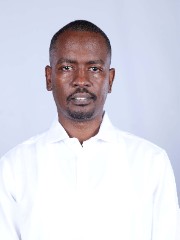
Mohamed Sirdar
South Africa
Mohamed Sirdar
South Africa
Dr Mohamed M. Sirdar is a veterinary epidemiologist and global antimicrobial resistance (AMR) specialist serving as Director of ISID-Africa and Global Program Specialist for AMR at the International Society for Infectious Diseases (ISID). He leads ISID’s strategy across Africa, manages ISID’s global AMR portfolio, and coordinates the organization’s technical role within several AMR initiatives in partnership with the Global Fund, the Task Force for Global Health, Pfizer Inc, including initiatives on multi-country AMR surveillance enhancement, strengthening antimicrobial stewardship, evidence translation, and One Health research delivery.
Dr Sirdar previously served as the Sub-Regional Program Officer for the World Organisation for Animal Health (WOAH -Southern Africa), supporting the 16 SADC countries on AMR governance, AMU surveillance, integrated data systems (including ANIMUSE), legislative assessments, and multisectoral AMR National Action Plan implementation. His work also contributed to Quadripartite-led initiatives on AMR legal frameworks, One Health capacity strengthening, and regional preparedness for zoonotic and transboundary threats.
Prior to Joining WOAH, at the South African Agricultural Research Council- Onderstepoort Veterinary Research (ARC-OVR), Dr Sirdar was a Senior Veterinary Researcher and Manager of the Epidemiology & Training Unit, leading surveillance studies, research design support, AMR and TAD training programs, and epidemiological investigations across South Africa. His work strengthened national capacities in data management, AMR awareness, biosafety, and risk analysis.
He holds a PhD and MSc in Veterinary Epidemiology from the University of Pretoria, and a Bachelor of Veterinary Medicine (Honours) from the University of Khartoum. He is also currently an Extraordinary Lecturer (Epidemiology) at the University of Pretoria, contributing to postgraduate training, One Health research, and AMR-focused academic mentorship.
Across ISID, ISID-Africa, WOAH, ARC-OVR platforms, Dr Sirdar has delivered more than 200 AMR, One Health and animal health technical workshops, policy dialogues, and capacity-building programs, advancing robust, data-driven solutions that strengthen global health security.
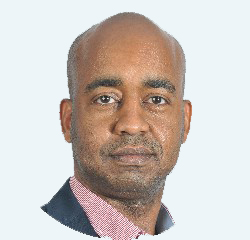
Mukhlid Yousif
South Africa
Mukhlid Yousif
South Africa
Mukhlid Yousif is a Senior Genomics and Public Health Scientist with over 15 years of experience in molecular virology, pathogen genomics, bioinformatics, and infectious disease surveillance. He is a medical scientist with over 15 years of research experience, focusing on translating genomic and epidemiological data into actionable public health insights. His work spans hepatitis B virus (HBV), HIV drug resistance, measles, rubella, and polio, with a strong emphasis on molecular epidemiology, public health, and research & development.
He co-founded the Wastewater Genomics Syndicate at the National Institute for Communicable Diseases (NICD), South Africa, and co-led the implementation of multi-pathogen wastewater surveillance programs that supported national public health decisions. He has also collaborated with Africa CDC and multiple southern African public health institutes to strengthen genomic and wastewater surveillance capacity across the region.
He has extensive experience managing large, grant-funded, multi-institutional programs and has worked closely with the WHO, Africa CDC, the Gates Foundation, the Rockefeller Foundation, and other major global funders.

Neelika Malavige
Sri Lanka
Neelika Malavige
Sri Lanka
Neelika Malavige is a Professor in the Department of Immunology and Molecular Medicine at the University of Sri Jayewardenepura and an Academic Visitor at the Weatherall Institute of Molecular Medicine, University of Oxford. She is also the President-Elect of the International Society for Infectious Diseases. Her research focuses on the immunopathogenesis of dengue, including the identification of biomarkers and immune correlates of protection, with a strong emphasis on translating these insights into clinical trials. She previously led the global dengue programme at the Drugs for Neglected Diseases Initiative (DNDi) for two years and continues to contribute her expertise through numerous national and international scientific advisory boards, funding panels, and editorial boards, where she serves as a member or chair.
Beyond her research and leadership roles, Neelika is deeply committed to mentoring and public engagement. She has received multiple local and international accolades in recognition of her contributions, including the Outstanding Role Model Award and the Most Inspiring Woman Award.

Nelisiwe Mhlabane
India
Nelisiwe Mhlabane
India
Nelisiwe Lynneth Mhlabane is an , Epidemiologist, Research & Development Manager, Public Health Specialist, and Implementation Advisor at NIFDAR PBO, South Africa. Currently serving as a Programme Manager supporting the West Rand Health District, with extensive experience in health system strengthening. Nelisiwe holds an MSc in Infectious disease Epidemiology, PhD candidate at the University of the Witwatersrand and is recognised as an ISID Emerging Infectious Diseases Leader. She leads impactful programmes in TB, HIV, non-communicable diseases (NCDs), and maternal & child health, driving innovative, evidence-based solutions that strengthen health systems and improve community health outcomes. Her dedication to advancing research and practice positions her as a thought leader in addressing pressing public health challenges in South Africa and beyond.

Oyewale Tomori
Nigeria
Oyewale Tomori
Nigeria
Oyewale TOMORI DVM, PhD
Oyewale Tomori is a past President of the Nigerian Academy of Science with experience in virology, disease prevention, and control. He was at the University of Ibadan from 1971 to 1994 and later served as the pioneer Vice-Chancellor of the Redeemer’s University in Nigeria from 2004 to 2011. From 1994 to 2004, he was the virologist for the WHO Africa Region, establishing the African Regional Polio Laboratory Network. He has served and continues to serve on numerous national and global health advisory committees. In 1981, he was recognized by the US-CDC for contributions to Lassa fever research. In 2002, he received the Nigerian National Order of Merit, the country’s highest award for academic and intellectual attainment and national development He is currently the President, West Africa Network of National Academies, and a member of the US National Academy of Medicine He has authored/co-authored more than 180 scientific publications.

Patricia Ruiz Garbajosa
Spain
Patricia Ruiz Garbajosa
Spain
Patricia Ruiz Garbajosa is Head of the Section of Bacteriology, Antimicrobial Susceptibility and Epidemiology in the Department of Microbiology at Ramón y Cajal University Hospital. She is also a researcher at the Ramón y Cajal Health Research Institute (IRYCIS) and the CIBER for Infectious Diseases (CIBERINFEC). In addition, she collaborates in several postgraduate programmes at the Complutense University of Madrid and the University of Alcalá.
Her clinical activity focuses on epidemiological surveillance and antimicrobial resistance, with particular expertise in the microbiological diagnosis of healthcare-associated infections. She currently serves as Vice President of the Spanish Society of Infectious Diseases and Clinical Microbiology (SEIMC) and has previously been a member of the Executive Boards of the SEIMC study groups on Healthcare-Associated Infections (GEIRAS) and Infections in Critically Ill Patients (GEIPC), as well as Vice President of the Madrid Society of Microbiology (SMMC).
She has contributed to national consensus and position documents on antimicrobial stewardship and the surveillance of multidrug-resistant organisms. Her research focuses on the epidemiology and molecular characterization of antimicrobial resistance, and she is the author of numerous peer-reviewed publications.
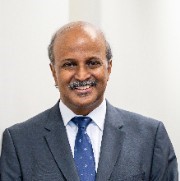
Paul Ananth Tambyah
Singapore
Paul Ananth Tambyah
Singapore
Dr Paul Ananth Tambyah is currently Professor of Medicine at the National University of Singapore and Senior Consultant Infectious Diseases Physician at the National University Health System, Singapore. He is also past President of the International Society for Infectious Diseases, immediate past President of the Asia Pacific Society of Clinical Microbiology and Infection and also a visiting consultant to the National Center for Infectious Diseases and the Singapore Armed Forces. He was the founding head of the Division of Infectious Diseases at the National University of Singapore and currently is deputy director of the Infectious Diseases Translational Research Program at the University. His main research interests are in device associated infections and clinical trials in emerging infectious diseases in particular respiratory viruses.

Renier Coetzee
South Africa
Renier Coetzee
South Africa
Renier Coetzee is an associate professor at the University of the Western Cape’s (UWC) School of Public Health (SOPH). His work focuses on antimicrobial stewardship, with a particular emphasis on improving antibiotic use in low- and middle-income countries. In addition to his research, Renier is dedicated to community engagement and empowerment. He works closely with local communities to develop and implement sustainable health interventions, promoting health equity and social justice. Through his work, Renier seeks to bridge the gap between academia and community, ensuring that research is translated into meaningful action. His commitment to antimicrobial stewardship and community engagement has made a significant impact in the field, and his work continues to inspire and inform public health initiatives.
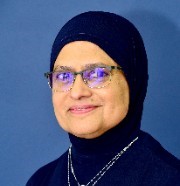
Sabiha Yusuf Essack
South Africa
Sabiha Yusuf Essack
South Africa
Sabiha Essack is the South African Research Chair in Antibiotic Resistance and One Health and Professor in Pharmaceutical Sciences at the University of KwaZulu-Natal. She is the co-lead of the Multi-Stakeholder Partnership Platform Action Group on “Stewardship across the Lifecycle of Antimicrobials: a One Health Approach” and member of the WHO Strategic and Technical Advisory Group for AMR (STAG-AMR). Sabiha serves as the Senior Implementation Research Advisor to the International Centre for AMR Solutions (ICARS) based in Denmark and chairs the Global Respiratory Infection Partnership (GRIP). She is a member of the World Economic Forum Global Futures Council for AMR, member of the International Pharmacy Federation (FIP) AMR Commission, member of the Wellcome Surveillance and Epidemiology of Drug Resistant Infections Consortium (SEDRIC) and she serves on the Advisory Board of the Combating Antibiotic Resistant Bacteria Biopharmaceutical Accelerator (CARB-X) and the Fleming Fund Expert Advisory Group. Her research focuses on the molecular epidemiology of AMR using next generation sequencing and bioinformatics as well as One Health systems strengthening in the context of AMR. ORCID: https://orcid.org/0000-0003-3357-2761 Google Scholar: https://scholar.google.com/citations?user=eejmC2kAAAAJ&hl=en

Salim Abdool Karim
South Africa
Salim Abdool Karim
South Africa
Salim S. Abdool Karim, FRS, is a clinical infectious diseases epidemiologist widely recognized for scientific contributions in HIV and Covid-19. He is the Director of the Centre for the AIDS Programme of Research in South Africa (CAPRISA) in Durban, South Africa and CAPRISA Professor of Global Health at Columbia University. He serves as Special Advisor on pandemics to the Director-General of the World Health Organisation.
He is an Adjunct Professor of Immunology and Infectious Diseases at Harvard University, Adjunct Professor of Medicine at Cornell University and Pro Vice-Chancellor (Research) at the University of KwaZulu-Natal. He previously served as President of the South African Medical Research Council.
His clinical research on TB-HIV treatment has shaped international guidelines on the clinical management of co-infected patients. He co-led the CAPRISA 004 trial that provided proof-of-concept for pre-exposure prophylaxis (PrEP) – that antiretrovirals can prevent sexually transmitted HIV infection. He is co-inventor on patents used in HIV vaccine candidates and passive immunisation strategies with broadly neutralising antibodies.
He has been ranked among the world’s most highly cited scientists by Web of Science. He is co-editor of textbooks on epidemiology (Oxford), HIV/AIDS (Cambridge) and clinical trials (Springer). He is the author of “Standing up for Science: A Voice of Reason” (Pan MacMillan). He serves on the Boards of the New England Journal of Medicine, Lancet Global Health and Lancet HIV. He has received Lasker, Gairdner, Hideyo Noguchi and Kwame Nkrumah Prizes.
He is a member of the US National Academy of Medicine and a Fellow of the Royal Society (FRS).

Sally Roberts
New Zealand
Sally Roberts
New Zealand
Dr. Sally Roberts is a graduate of the University of Auckland, School of Medicine. She is a clinical microbiologist and infectious diseases physician at Auckland City Hospital and is the Clinical Head of Microbiology at LabPlus, Auckland District Health Board. She was the National Clinical Lead for the New Zealand Health Quality & Safety Commission Infection Prevention and Control Program from August 2011 until June 2025. She has been on a number of New Zealand’s Ministry of Health working groups. Her main interests include the diagnosis of infectious diseases; prevention of healthcare-associated infections; and antimicrobial resistance.
Dr. Roberts is the current President of the International Society for Infectious Diseases, previous chair of the Finance Committee and serves on the Nomination and Remuneration Committee.

Sasheela Vanar
Malaysia
Sasheela Vanar
Malaysia
Professor Sasheela Ponnampalavanar is a senior infectious disease consultant at the University of Malaya. She serves on Malaysia’s National Antimicrobial Resistance (AMR) Committee and the Technical Working Group for the National Action Plan for AMR, contributing to national guidelines, training modules, and policies on antimicrobial stewardship (AMS), healthcare hygiene, and infection control. Her research focuses on AMR, HAIs, and infection prevention, with multiple international grants and peer-reviewed publications. A Fulbright Scholar (2020/21) and SHEA International Ambassador (2022), she is also active in mentoring and public outreach on AMR awareness.

Souha Kanj
Lebanon
Souha Kanj
Lebanon
Souha Kanj is a tenured Professor of Medicine at the American University of Beirut Medical Center (AUBMC), where she served as Head of the Division of Infectious Diseases (ID) until from 2002-2024. She is Chair of the Infection Control Program, co-Chair of the Antimicrobial Stewardship Program, and Consulting Professor at Duke University Medical Center where she trained in Internal Medicine and ID.
She co-authored over 325 peer-reviewed articles, book chapters, and UpToDate® cards. She serves as an advisory member for WHO programs in infection control, antimicrobial resistance, priority pathogens, diagnostic stewardship, COVID-19, and fungal infections. She is an advisory international board member for Lancet and Associate Editor for Mayo Clinics Proceedings. Her research focuses on nosocomial infections, antimicrobial resistance and stewardship, nosocomial infections, infection control, ID during wars, and fungal infections.
A fellow of several professional societies, including ACP, IDSA, RCP, ESCMID, and ECMM, she is a board member of the Alliance for prudent Use of Antibiotics (APUA), and was co-chair of the Antimicrobial Stewardship study group of the International Society of Antimicrobial Chemotherapy (ISAC). She is currently President of the Lebanese Society of Infectious Diseases and Clinical Microbiology (LSIDCM) and President of ISAC. Her accolades include awards from the Lebanese National Council for Scientific Research, Shoman Award for Research excellence in Arabs, Arab league Excellence in Medicine, Intissar Ahdab Award for Excellence in Research at AUB, the Faculty of Medicine Research Award at AUBMC, the Valkhof Professorship then an Honorary Doctorate Degree from Radboud University, Nijmegen, NL. She has ranked in the top 2% cited researchers in the Stanford University citation indicator for 2023-2025 and is the most cited researcher in ID in the Arab countries.

Umang Agrawal
India
Umang Agrawal
India
I am an Infectious Diseases physician and Faculty for DrNB Infectious Diseases Programme at Hinduja Hospital, Mumbai. After completing my Internal Medicine Residency in India, I trained as an International Fellow in Infectious Diseases at Addenbrookes hospital, Cambridge, UK. I was awarded the MRCP and the diploma in UK Medical Practice (DipUKMP) during this period. After returning to India, I completed my Board-certified training in Infectious Diseases (FNB) in Mumbai and topped the country in FNB Exit examination. During my training, I secured the Diploma in Tropical Medicine & Hygiene (DTM&H) and was recently awarded FRCP (London, UK). I was recognized as an ‘Emerging leader in Infectious Diseases’, by The by the International Society of Infectious Diseases in 2024 and by the Clinical Infectious Diseases Society of India in 2025.
I have a keen interest in clinical research, specifically in AMR, TB diagnostics and more recently bacteriophage therapy. I have worked as a PI/Co-I on several national and internationally-funded clinical trials and have over 50 publications till date. I have officially trained in the guideline development process, having participated in the ESCMID guidelines on vaccination in ICH, ESCMID-guidelines on the management of MDR Gram negative infections, and COVID India Guidelines.

Walter Fuller
Congo
Walter Fuller
Congo
Dr. Walter Fuller is a distinguished Technical Officer at the WHO Regional Office for Africa (AFRO), where he leads the strategic portfolio for Antimicrobial Resistance (AMR) Education, Awareness, Stewardship, and One Health. Serving as the primary bridge between global policy and regional execution, he is a central architect of the sustainable, coordinated AMR response across the African continent. Dr. Fuller’s leadership is defined by technical rigor and a commitment to the One Health approach. He has been instrumental in establishing the governance structures, verifiable evidence, and standardized tools required to ensure that interventions achieve maximum, lasting impact. By prioritizing country ownership and robust partnership building, he effectively translates high-level policy into measurable, on-the-ground results. As a veteran of several international working groups, Dr. Fuller has co-authored pivotal global and regional products that define the modern fight against AMR. He remains an essential technical and governing force, ensuring the operational success and sustainable trajectory of public health strategies within the WHO African Region.